Throw Key to Escape Prison Starter Animals Priorities
What to keep from early frees, when to cut commons, and how starters fund better keys without greed routes.
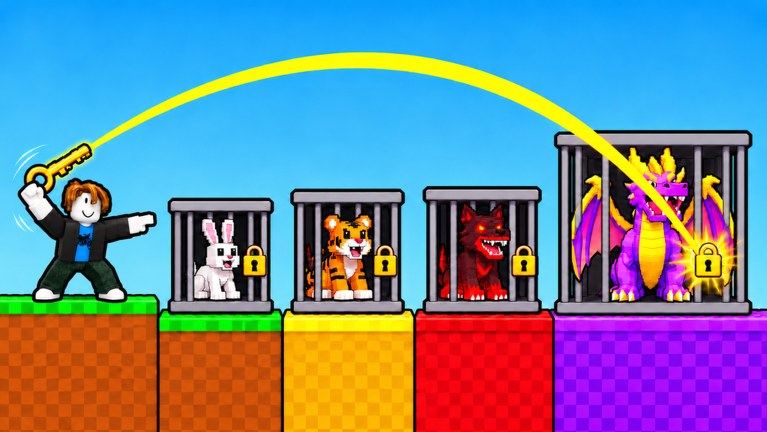
Starter animals are the quiet engine of Throw Key to Escape Prison. Before rarer drops and hotter police zones matter, you need a plot that prints enough cash to buy the next key and absorb a bust. This guide covers early animal priorities, how to fill slots without hoarding junk forever, when commons become cut candidates, and how starters connect to rare animals and the animals tier list. Exact species names and payout numbers will keep evolving after the 18 November 2026 launch — always trust live tooltips over rumors from sibling throw-key games.
What “starter” means here
Starter animals are the commons and low-mid frees you can unlock with early keys on near and mid cell bands. They are not trophies. They exist to:
- Fill empty plot slots immediately after your first successful escapes.
- Teach the place → collect → throw rhythm without rare-or-bust pressure.
- Fund the first meaningful key upgrades on the keys tier list.
- Act as disposable placeholders you will replace without emotional attachment.
If a free does not raise plot income or teach you a safer escort, it is clutter.
Early priorities (first hours)
- Fill every empty slot — an empty pad earns zero. Park whatever survives the run home.
- Prefer higher tooltip earners among equals — when two commons compete, keep the better payer.
- Collect income every home touch — unclaimed cash cannot buy distance or luck.
- Ignore rarity FOMO — do not wipe a full common plot chasing one far cell you cannot escape yet.
- Link animals to keys — when income stalls, ask whether the next buy is a key (distance wall) or a better free (slot quality). See Progression.
Pair these habits with Animal Base management and Getting Started loop practice.
A simple keep / cut framework
Use this table until detailed species pages exist:
| Situation | Action |
|---|---|
| Empty plot slots | Keep any survivor; fill first |
| Full plot, new free pays more | Cut the lowest earner immediately |
| Full plot, new free pays the same | Keep the one you can re-acquire easier; cut duplicates if stacked weak |
| Full plot, new free pays less but “looks rare” | Cut vanity unless you have spare slots |
| After a bust streak | Stop hunting; restock with easy mid commons |
The animals tier list expands this into conceptual S–D style bands. Starters usually occupy the lower bands on purpose — that is healthy early, toxic mid if you never cut.
When to replace commons
Replace a common when all of these are true:
- Your plot is full (no empty emergency slots).
- The new animal’s income clearly beats the worst pad.
- You can still clear escapes often enough to restock if the new target is riskier.
- You are not mid-tilt after two busts (tilt replaces incorrectly).
Optional softer rule: after your second key upgrade band, begin a weekly “cut pass” where you deliberately free mid animals with the sole goal of upgrading the bottom two pads. That pass belongs on familiar routes from Escape Police, not on brand-new strong-cop areas.
How starters fund rares (without skipping steps)
Rare hunting fails when the plot is weak. Starters create the buffer that lets you attempt farther throws:
- Commons fund a luckier / longer key.
- Better keys unlock cells where rarer animals can appear.
- Clean escapes bank the rare onto the plot.
- The rare replaces a common, raising income for the next push.
Skip step 1 and you arrive in dangerous zones broke. Read Rare Animals only after your starter plot is online. New-area police spikes after hotfixes (including the November 28 update) punish empty economies hardest.
Session plan focused on starters
- Warm up throws on near/mid bands (How to Throw).
- Run two or three small escorts aimed at filling or upgrading pads.
- Collect income; decide key versus animal spend for the next ten minutes.
- Take at most a few deeper attempts if the plot already pays.
- End on a full, collected plot — never logout with claimable cash sitting.
Servers max at 5 players; call targets so the lobby does not triple-contest the same weak row while a fresh mid band sits open.
Mistakes that stall early animal progress
- Leaving slots empty “for a rare later.”
- Hoarding duplicate weak commons out of collection completionism.
- Spending all cash on a deep key while the plot still earns almost nothing.
- Escorting huge common hauls through bad police angles — busts delete the whole point.
- Copying payout rumors from Throw Key for Cars or other siblings.
Related pages
- Animals Hub — roster overview
- Rare Animals — drop levers and risk
- Animals tier list — which bands to keep long term
- Animal Base — placement and swap ops
- Progression — when starters give way to mid goals
- Codes — free cash (none confirmed yet) that could accelerate early pads
Starter animals are temporary employees with a clear KPI: fund the next safe upgrade. Treat them kindly while they work, then replace them without ceremony the moment a better earner survives the run home.
Frequently Asked Questions
Quick answers for Throw Key to Escape Prison.
Should I sell or drop commons immediately?
Not while slots are empty. Fill first, then replace the lowest earner whenever a clearly better free arrives.
When do I start hunting rare animals?
After the plot is full, income funds recovery, and escapes on mid routes are consistent. Read the Rare Animals guide before greed routes.
Do starter animals matter after I get better keys?
Only as placeholders. Mid and late progression should steadily cut low earners for stronger frees.
Where are exact payout numbers?
Use live in-game tooltips. This page avoids invented prices and focuses on keep/cut rules that survive balance hotfixes.