Throw Key to Escape Prison Animal Base Income Guide
Park survivors, swap low earners, and turn escape success into better keys.
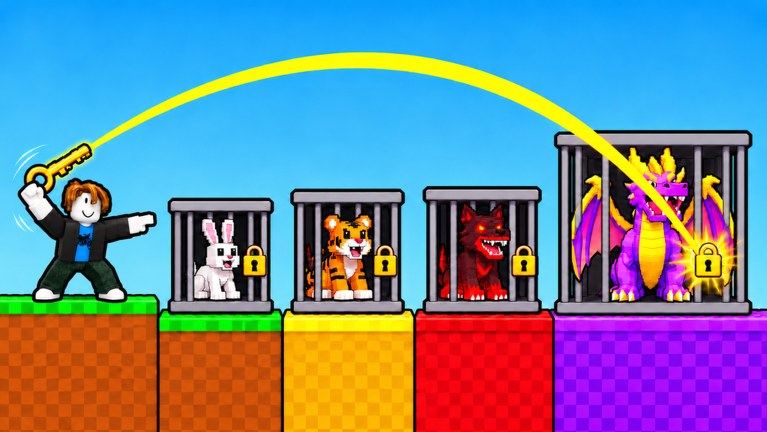
Your animal base is the bank account of Throw Key to Escape Prison. Throws open cells and escapes deliver animals, but only parked earners convert risk into cash for stronger keys and deeper zones. This guide covers placing animals, replacing low earners, routing cash flow into keys, and respecting plot limits so progression compounds instead of stalling.
If animals rarely make it home, fix Escape Police first. If unlocks never happen, fix How to Throw. Base optimization assumes you can complete the loop from Getting Started with decent consistency.
What the base is for
The base (plot) is where freed animals generate ongoing income while you plan the next throw. It is not a trophy case first and an economy second — early on it is almost pure economy. Collection flex and rare showcases matter after your income can already fund the keys required for safer rare hunts.
Every empty slot is wasted passive progress. Every weak animal occupying a slot past early game is a silent tax on your upgrade speed.
Placing animals correctly
After a successful escape:
- Move straight into deposit / placement — do not AFK at the plot entrance.
- Fill empty slots before rearranging vanity layouts.
- Confirm animals are actually stationed and earning.
- Only then return to the throw zone.
A run is unfinished until income is ticking. Players who celebrate at the gate and queue another throw without placing anything leave money on the table.
In a full five-player server, take turns at crowded plot interactions if needed, but do not leave animals stranded because someone else is shopping keys.
Plot limits and inventory discipline
Plots have finite slots. That constraint is the whole management game. You cannot keep every animal you free forever without choices. Discipline beats hoarding:
- Early game: fill every slot with anything that earns.
- Mid game: replace obvious low earners with stronger mid-tier animals.
- Late game: reserve slots for high-value or rare targets that justify hotter police zones.
Exact slot counts and payout numbers can change with patches, so think in priorities rather than memorizing unofficial spreadsheets as official truth. Use the animals tier list and rare animals notes to decide who deserves a slot when space is tight.
If you are unsure, ask: “Does this animal fund my next key faster than what it replaces?” If not, it is a collection flex — park it only when economy goals are already met.
Replacing low earners
Replacement is how bases scale. Keep a simple swap rule:
- Identify your lowest earner or least strategic animal.
- Free a strictly better animal (higher income, better synergy with your zone plan, or a rare you are actively collecting).
- Swap immediately after deposit.
- Reinvest the improved income into the next bottleneck (usually a key).
Avoid nostalgia slots for starter animals once mid earners are available. Sentimentality is expensive in a tycoon loop. Likewise, avoid filling the whole plot with one hyped rare type if that leaves you broke — diversity that pays beats a pretty but stagnant lineup.
When two animals look similar, prefer the one you can re-acquire easily if you bust future runs. Fragile unique pulls can wait until your escape rate is high.
Cash flow into keys
Income should have a job. The default job is buying better keys so you can unlock better animals in safer or more efficient ways. Secondary jobs include waiting for a specific rare hunt or buffering after a cold streak of busts.
A practical spending loop:
- Fill the plot.
- Farm mid unlocks with clean escapes until cash covers the next meaningful key.
- Buy the key when meter skill already saturates your current range (see How to Throw).
- Use new distance to target higher-value animals per the keys and animals tier lists.
- Swap base slots upward and repeat.
Do not drain the plot’s future by spending every coin the moment it appears if you are one clean session from a breakpoint upgrade. Do not hoard forever either — unused cash does not unlock cells.
Promo gifts from Codes can accelerate this loop; check them when you log in. Patch notes on Updates may change animal payouts or key costs conceptually even when exact figures are not listed here.
Balancing farm sessions vs trophy hunts
Farm sessions prioritize reliable mid animals, short escapes, and steady slot upgrades. Trophy hunts push into stronger-cop areas for rarer animals. Mix them intentionally:
- Start a play session with farm runs to stabilize income.
- Spend a block of attempts on a rare target when the plot is healthy.
- If busts spike, return to farm mode immediately.
Trophy hunting on an empty or weak base is how players stall for hours. The base funds bravery; bravery does not fund the base by itself.
Multiplayer economy notes
With up to five players, coordination helps:
- Share which cell bands are already cleared.
- Avoid stealing a teammate’s marked rare if you agreed on targets.
- Trade information about which animals felt like strong earners after placement.
You still manage your own plot. Do not abandon placement because the group wants another throw — your income is personal progression.
Quality-of-life and references
Some players browse Scripts for helpers; learn manual placement and swap habits first so you understand what “good” looks like. Keep Escape Police open while learning new zones so deposits keep happening. Recalibrate throws after each key upgrade so new distance actually feeds the base.
Session checklist for base players
- Count empty slots before you leave for the prison.
- Choose a target animal tier for this run (fill / upgrade / rare).
- Throw and escape only as hard as that goal requires.
- Deposit immediately; swap weakest slot if you brought an upgrade.
- Check cash versus next key goal; throw again or shop.
- Recheck codes and update notes if the session is long.
Common base mistakes
- Leaving slots empty while chasing spectacle animals.
- Never swapping starter earners.
- Buying keys before the plot can repay the investment pace.
- Hoarding cash with no upgrade plan.
- Treating rares as mandatory slots when they slow key progression.
What a healthy base feels like
Income visibly rises across a session. Each escape either fills a hole or replaces a weak slot. Key purchases happen on purpose after a short save, not as panic buys after a bust streak. When you enter a hotter police area, you do it with a plot that can absorb failures.
Master this page and the rest of the wiki becomes fuel: better throws feed better animals, better escapes protect them, and better keys open the next tier of earners. Return to Guides anytime you need to pick the next weak link in the loop.
Frequently Asked Questions
Quick answers for Throw Key to Escape Prison.
When should I replace animals on my plot?
As soon as you bring home a clearly better earner or a strategic rare you need, swap out the weakest slot. Do not wait until the whole base feels outdated.
Should income always go into keys?
Usually yes when distance is blocking better animals. If you already reach your farm belt reliably, you can briefly save for a planned rare hunt — then return to key breakpoints.
What if my plot is full of weak animals?
Run focused mid-zone escapes for upgrade candidates and replace the lowest earners one by one. Filling with anything beats empty slots; upgrading beats nostalgia.
How do rares fit into base management?
Hunt rares when the base already funds keys and absorbs busts. Use rare animals and animals tier list pages to decide which trophies deserve permanent slots.