Throw Key to Escape Prison Early → Mid Progression Guide
First keys, cash priorities, when to push new areas, and how police difficulty rises with rarer animals.
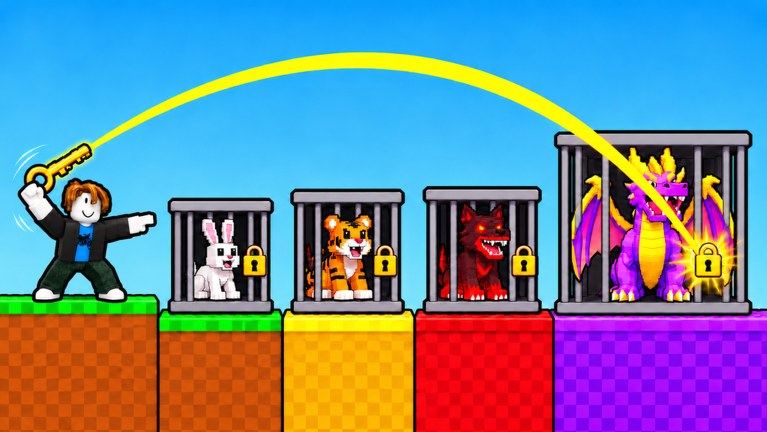
Progression in Throw Key to Escape Prison is a paced flywheel, not a single purchase. You throw keys to unlock cells, free animals, escape police before BUSTED, earn on the animal base, buy better keys, then enter new areas with stronger cops and rarer animals. This guide maps early → mid priorities: which problems to solve first, how to spend cash without invented shop prices, when a new area is actually unlocked for you, and how the police difficulty curve punishes greed. Cross-check key tiers, Animal Base, Escape Police, and rare animals as you climb.
The place launched 2026-11-18 (place 119039649722776, max 5 players) from Escape Police For Animals. Hotfixes such as the 2026-11-28 Roblox experience bump can retune shops or chase feel — re-verify live tooltips after patches via the November 28 update notes.
Phase 0 — Prove the loop (session one)
Do not optimize before you can finish. Goals:
- Land near-band unlocks more often than not.
- Escort a small animal haul home without tilting into busts.
- Park at least a few earners so cash ticks while you think.
- Identify whether your bottleneck is throw, escape, or income.
Use Getting Started and Controls if inputs still fight you. Skip rare hunting and deep areas entirely in this phase.
Phase 1 — First key upgrades (distance unlock)
Spend early cash on keys when reliable timing still cannot reach the next useful cell band. If timing is wild, practice is the upgrade — see How to Throw. Conceptual key bands (not official prices):
- Starter band — near cells, tutorial animals, confidence building.
- Early mid band — comfortable mid rows that refill the plot quickly.
- Mid band — deeper unlocks and the first meaningful luck bumps toward better frees.
- Late mid band — approaches new-area thresholds where police spike.
Buy the smallest step that solves your current distance problem. Skipping “flashy” tiers that do not raise practical range or luck wastes the compounding window. Rank relative value on the keys tier list.
Cash priority rule for Phase 1: key when distance is the wall; animals when slots are empty or filled with duds; never both impulses in the same panicked minute.
Phase 2 — Stabilize base income
Once mid cells open consistently, progression speed is plot quality. Fill every slot, collect income every home touch, and replace the worst earner whenever a clearly better free arrives. Detailed habits live in Animal Base; early roster choices also appear in Starter Animals.
Income checklist:
- Empty slots are emergencies — fill them even with commons.
- After slots are full, cut the lowest tooltip earner first.
- Bank a small cash buffer before gambling on a deeper key.
- Do not leave claimable income sitting while you throw for vanity rares.
A tidy mid-game plot funds keys faster than a messy plot plus one lucky rare you busted on the way home.
Phase 3 — When to push new areas
New areas advertise rarer animals and stronger police. Enter them when all of the following are true:
- You clear busts on the previous ring most of the time (Escape Police).
- Your current key can unlock the new band without miracle throws.
- Plot income recovers a failed run within a few clean mid loops.
- You have a named route home, not a hopeful sprint through unknown geometry.
If stronger cops end more than half of your deep attempts, step back a ring. Mid-area farming with a luckier key often yields more rares per hour than tilting into a meat grinder — see rare animals and the animals tier list.
Police difficulty curve (what actually escalates)
Expect the curve to tax three resources at once:
- Timing windows — post-unlock attention rises; standing still gets punished harder.
- Route forgiveness — scenic detours that worked early become bust magnets.
- Haul size — freeing “everything” stops being viable; disciplined counts matter.
Progression-aware chase habits:
- Dry-walk a new area once without animals.
- Start with tiny escort counts, then scale only after clean deposits.
- Treat two busts in a row as a signal to downshift distance for five cycles.
- Rehearse waypoint routes (gate → corner → plot) under higher pressure.
Keys open doors; escape skill decides whether those doors print cash.
Cash priority matrix (early → mid)
| Situation | Spend on | Avoid |
|---|---|---|
| Throws miss easy mid cells | Practice, then next distance key | Rare-area tourism |
| Throws land, busts dominate | Route drills, smaller hauls | Deeper keys |
| Escapes work, slots empty/weak | Animals / plot swaps | Prestige flex keys |
| Plot strong, mid saturated | Luck / distance key toward new band | Hoarding useless commons |
| New area + strong cops | Buffer cash + route mastery | All-in greed frees |
No official price table is quoted here on purpose — shops change. Think in bottlenecks, not spreadsheets copied from sibling throw-key games.
Mid-game weekly rhythm (practical)
- Warm up with near/mid calibration throws.
- Run income loops until the next key (or animal upgrade) is funded.
- Take a limited number of deep attempts with a planned exit.
- Bank survivors, cut weak plot slots, collect claims.
- Stop deep attempts when tilt or bust rate spikes; finish on stable mid farm.
- Skim Codes and Updates before logout in case a gift or hotfix landed.
Milestones that mean you are “mid”
- Mid cell bands unlock on command with your current key.
- Most planned escorts reach the base.
- Plot income visibly shortens the wait between key buys.
- You can attempt a new area deliberately, not accidentally while lost.
- You replace commons on purpose instead of hoarding everything.
If those are false, stay in Phase 1–2. Labeling yourself mid while still busting starter routes only burns sessions.
Related reading order
- Getting Started → Controls → How to Throw
- Escape Police → Animal Base
- Keys tier list → Starter Animals → Rare Animals
- November 28 update after any live hotfix
Progression is patience with a shopping list. Solve throw, then escape, then plot, then distance/luck, then new-area risk — in that order — and the rarer animals arrive as a side effect of a healthy flywheel.
Frequently Asked Questions
Quick answers for Throw Key to Escape Prison.
Should I buy the most expensive key as soon as I can?
No. Buy the smallest step that fixes your current distance or luck bottleneck. Flashy skips often waste compounding time.
When is a new area actually worth entering?
When escapes on the previous ring are consistent, your key can reach the new cells, and plot income can absorb failed runs.
Why do better keys still feel harder?
New areas pair rarer animals with stronger police. Keys help unlock; tighter chase windows still demand cleaner routes and smaller hauls.
What should I upgrade first — animals or keys?
Fill and stabilize the plot if slots are empty or weak. Upgrade keys when timing is fine but needed cells stay out of reach.